
October 8, 2026
Letter from the Advocacy Director
We didn’t send a newsletter in September, but now we are back to our normal monthly schedule. I’m excited to share MODDC’s two Policy Priorities for 2026–2027 that our Council Members approved in September.
Priority 1: Protect Medicaid Access and Home and Community Based Services
This priority means we will speak up for things like keeping funding for Home and Community Based Services (HCBS) in the Missouri State Budget for people with disabilities. We will work to defend the right of people with disabilities to live in their homes and communities. We also want to help fix problems that make it hard to use Medicaid waivers, like applying for a waiver, understanding the waitlist, and getting services after someone receives a waiver.
Priority 2: Support Policies that Help Students with Disabilities and Their Families with IEPs and Other School Issues
This priority means we will speak up about things like why parents should be told and be able to give permission before major changes are made to a child’s Individualized Education Program (IEP). We also want to help end the use of seclusion in Missouri schools and work on other important issues.
Please also check out the chance to stay updated about changes to Medicaid by joining the Medicaid Advocacy Network email list. More details are provided below.
As always, feel free to share this newsletter and encourage your friends, family, and network to sign up to get it in their inbox.
Let’s keep it MOving!
Christina Ingoglia
MODDC Policy Advocacy Director
MODDC Goes to Washington
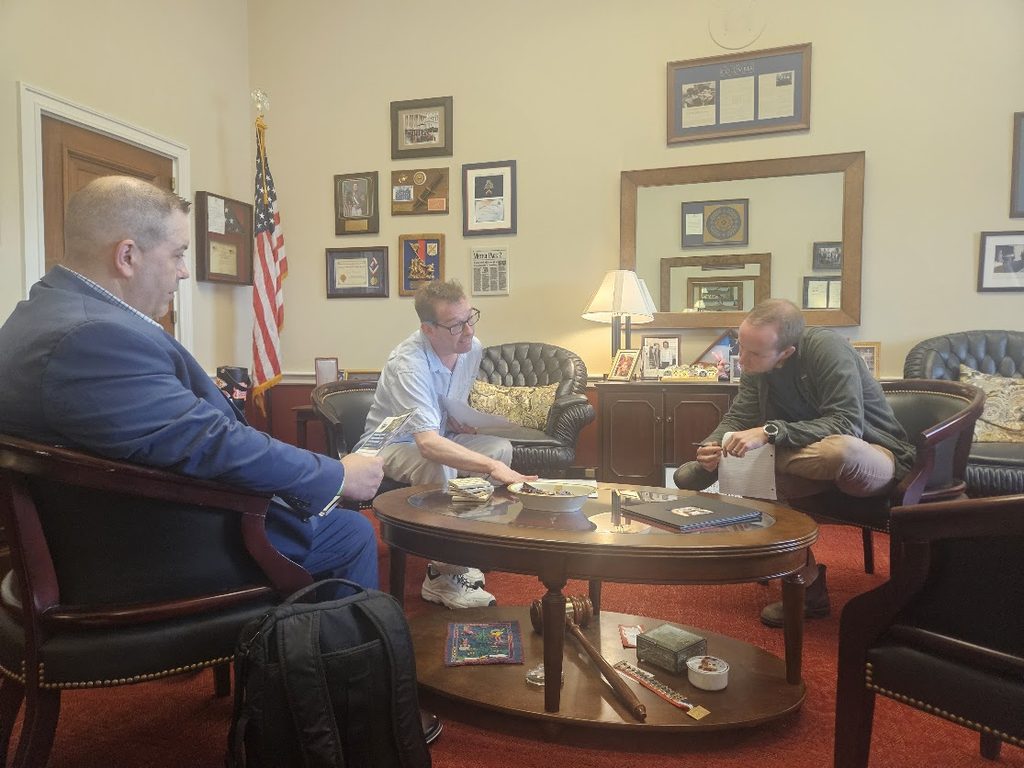
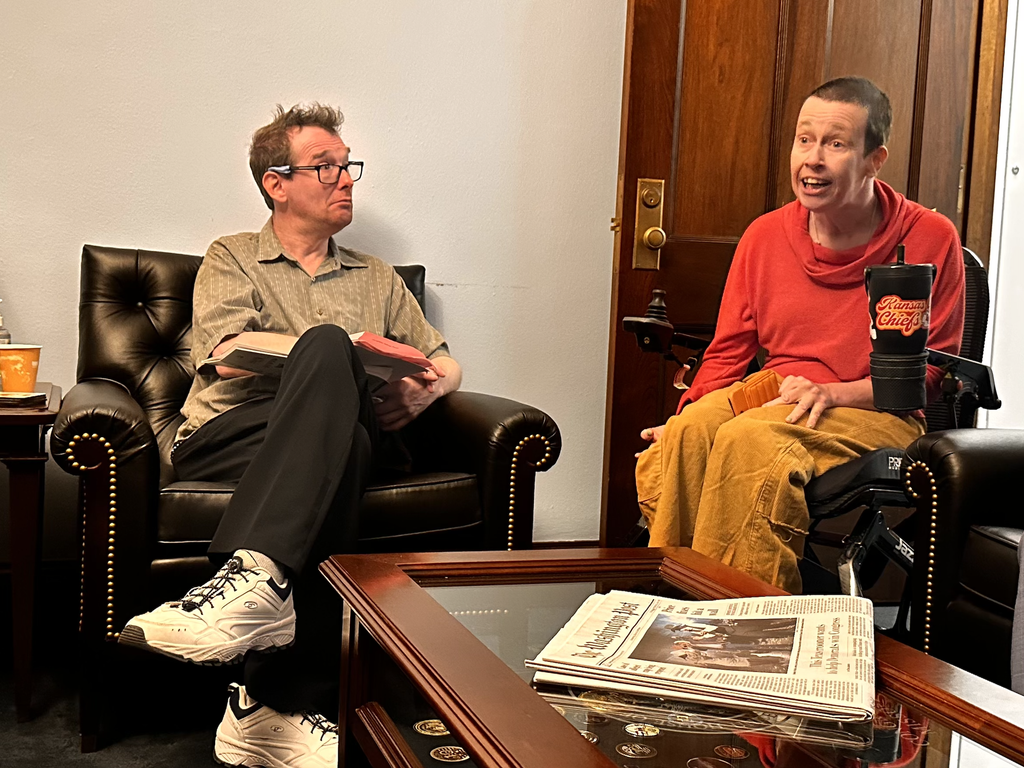
From September 27–29, 2026, four MODDC Council Members and two staff traveled to Washington, D.C., to meet with Missouri’s federal lawmakers and other important leaders.
Our group talked with them about worries over cuts to funding for Home and Community Based Services (HCBS). We explained that these cuts could cause more people in Missouri to be placed in institutions instead of getting support in their homes and communities. We also talked about the Keeping All Students Safe Act (KASSA). This bill would end the use of seclusion in all schools in the United States and would make unsafe restraints illegal. These include mechanical, chemical, supine, and prone restraints.
The MODDC team also met with Dr. Becky Hines, the Commissioner of the Administration for Community Living (ACL), and members of her team. They work with Councils like ours across the country. We were able to share our past successes and the work we’ve done to help improve systems and policies in Missouri.
Update: Texas v Kennedy and Community Integration
In September, several national groups, including the National Association of Councils on Developmental Disabilities, joined together to protect the Olmstead Decision.
This group met with national lawmakers. Six members of the U.S. House of Representatives agreed to introduce or cosponsor a House Resolution called House Resolution 1586 (H.Res. 1586). Four of the cosponsors are Republicans and two are Democrats.
This bipartisan resolution explains what Congress meant when it passed important disability rights laws like Section 504 of the Rehabilitation Act and the Americans with Disabilities Act. It also talks about the Olmstead Decision, which says people with disabilities have the right to get services in their communities instead of institutions. The resolution says that Congress supports this decision and asks federal, state, and local governments to create policies that expand access to Home and Community Based Services.
H.Res. 1586 has been sent to a committee in the House. Right now, there is no matching resolution in the U.S. Senate.
Please complete our advocacy alert to share why this resolution matters to you. You can find more details and the action alert here.
Join the Medicaid Advocacy Network
Stay informed about Medicaid in Missouri!
Sign up for the new Medicaid Advocacy Network to receive Medicaid updates and information that matter to you and your family. You’ll also receive information about upcoming webinars, resources, advocacy opportunities, and ways to get involved with Missouri’s new Medicaid Advocacy Project.
This listserv is open to Missouri self-advocates, family members, and professionals.
Register here: https://signup.e2ma.net/signup/2104245/1900882/.
You can also share a Medicaid Advocacy Network listserv sign-up flyer with others!
The Medicaid Advocacy Network is part of a Council-funded grant given to the University of Missouri-Kansas City’s Institute for Human Development.
Coffee for Change Updates: Join the Conversation!
In September, Council Member Steve Hodge hosted a Coffee for Change in Sikeston, Missouri. Twenty‑five people came, including self‑advocates, families, disability professionals, and other supporters. Attendees gave great feedback on the event. A few plan to visit the Capitol during the state session (January to May) to share their stories and concerns.
Coffee for Change is a council project that helps self‑advocates and families learn how to speak up for change. Because our Council Members live all over the state, many members have volunteered to host an event in their own area. These events make it easier to understand how to meet or write to lawmakers when they are back in your community from June to December. We plan to do another round of events after the next legislative session in June 2027.
Our next coffee event will be in St. Louis on Saturday, October 24, 2026 at the J.
If you want more details or want to sign up for a Coffee in your area, visit our website at https://moddcouncil.org/coffee-for-change/.
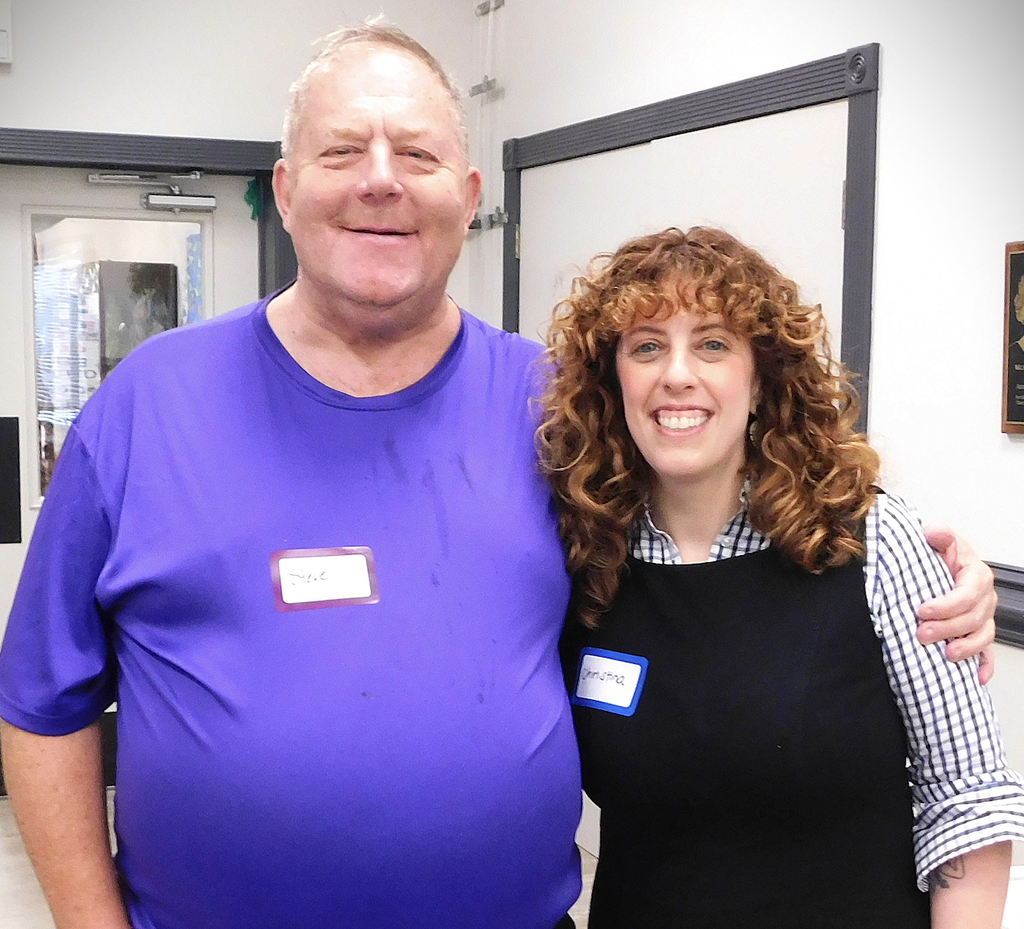
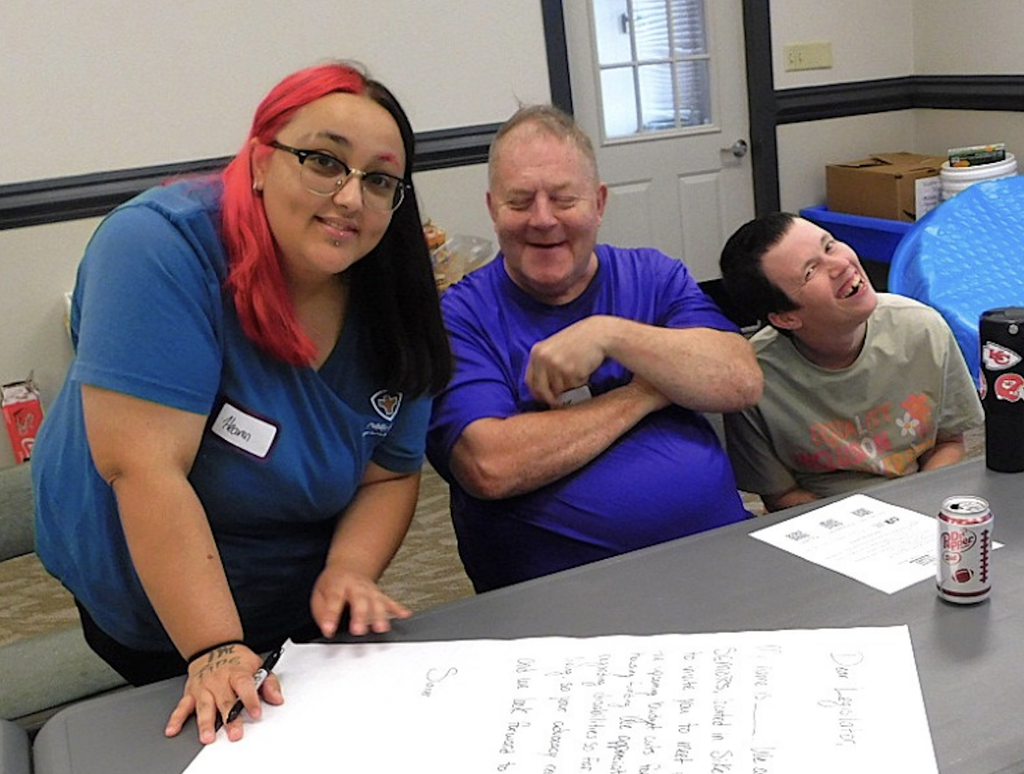
MODDC Council Member Steve Hodge hosted the Sikeston event
(pictured in the purple shirt)
Help Us Reach More People in the IDD Community
Like this newsletter? Share with others to increase awareness and to educate and inform people about public policy issues impacting people with intellectual and developmental disabilities (IDD). Share and ask them to subscribe!
This newsletter is also available on MODDC’s website.
